
Choosing the Top Synthetic Grass Cleaner for Your Outdoor Space
- Mark Kelsch
- Feb 23
- 4 min read

Maintaining artificial turf is essential for preserving its appearance, safety, and longevity. For pet owners, especially, keeping synthetic grass clean is a priority to ensure a hygienic environment for both pets and family members. Selecting the right cleaning product can make this task easier and more effective. This article explores how to choose the top synthetic grass cleaner, providing practical advice and detailed information to help you make an informed decision.
Understanding the Importance of a Top Synthetic Grass Cleaner
Artificial turf offers many benefits, including low maintenance and year-round greenery. However, it still requires regular cleaning to remove dirt, debris, pet waste, and odors. Without proper care, synthetic grass can develop unpleasant smells, bacteria buildup, and even damage to the fibers.
A top synthetic grass cleaner is designed to:
Eliminate odors caused by pet urine and waste
Remove stains and dirt effectively
Prevent bacterial and fungal growth
Be safe for pets, children, and the environment
Protect the turf fibers from damage or discoloration
Choosing the right cleaner ensures your outdoor space remains inviting and safe. It also extends the life of your turf, saving you money on repairs or replacement.

Key Features to Look for in a Top Synthetic Grass Cleaner
When selecting a cleaner for artificial turf, consider the following features to ensure it meets your needs:
1. Pet-Safe and Non-Toxic Ingredients
Since pets frequently use the turf, the cleaner must be safe for animals. Avoid harsh chemicals like bleach or ammonia, which can irritate skin and respiratory systems. Look for products labeled as pet-friendly or non-toxic.
2. Odor Neutralization
A good cleaner should neutralize odors rather than just masking them. Enzymatic cleaners are particularly effective because they break down organic matter causing the smell.
3. Ease of Use
Choose a product that is simple to apply, whether through spraying, rinsing, or scrubbing. Time-saving options are ideal for busy households.
4. Compatibility with Turf Material
Some cleaners may damage certain types of synthetic grass fibers or backing. Verify that the cleaner is compatible with your specific turf type.
5. Environmental Impact
Eco-friendly cleaners reduce harm to the environment and local water systems. Biodegradable formulas are preferable.
6. Effectiveness on Stains and Debris
The cleaner should remove common stains such as mud, food spills, and pet waste residues without leaving marks.
7. Cost and Availability
Consider the price relative to the quantity and effectiveness. Also, check if the product is readily available locally or online.
What's the Best Way to Clean Artificial Turf?
Proper cleaning involves more than just applying a cleaner. Here are recommended steps to maintain your synthetic grass effectively:
Step 1: Remove Solid Debris
Use a leaf blower, broom, or rake to clear leaves, sticks, and pet waste. Prompt removal prevents staining and bacterial growth.
Step 2: Rinse the Turf
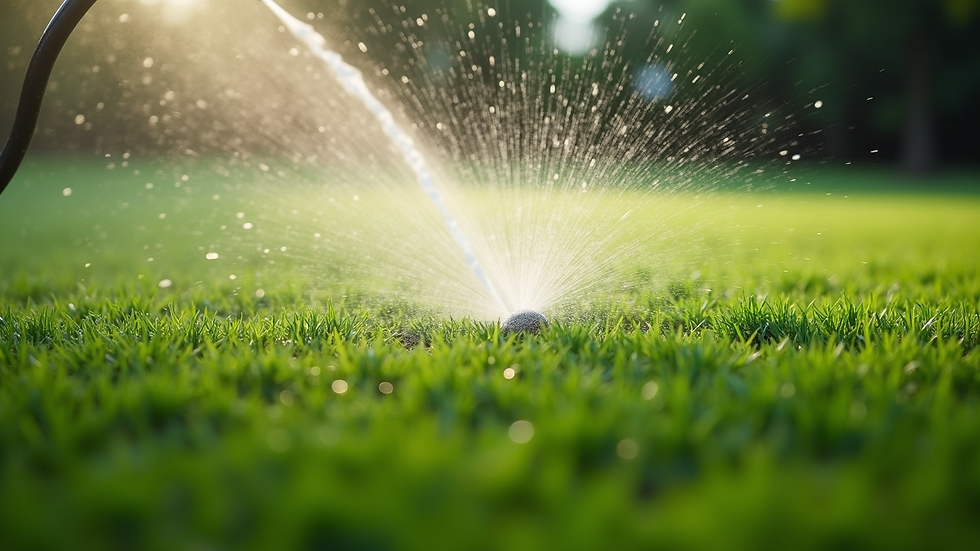
Hose down the area with water to wash away loose dirt and urine residues. This step helps reduce odors and prepares the surface for cleaning.
Step 3: Apply the Cleaner
Spray or apply the chosen synthetic grass cleaner evenly across the turf. Follow the manufacturer’s instructions regarding dilution and contact time.
Step 4: Scrub if Necessary
For stubborn stains or heavily soiled areas, gently scrub with a soft brush to lift dirt without damaging the fibers.
Step 5: Rinse Again
After cleaning, rinse the turf thoroughly to remove any cleaner residue. This prevents buildup and keeps the surface safe for pets.
Step 6: Allow to Dry
Let the turf air dry completely before allowing pets or foot traffic. This helps prevent mold and mildew.
Regular cleaning, ideally once a week or more frequently for high-use areas, will keep your synthetic grass fresh and hygienic.
Additional Tips for Maintaining Artificial Turf
Beyond using the right cleaner, consider these maintenance practices:
Brush the Turf Regularly: Use a stiff broom or brush to keep the fibers upright and prevent matting.
Address Pet Waste Promptly: Remove solid waste immediately and rinse the area to minimize odors.
Avoid Harsh Chemicals: Do not use bleach, ammonia, or other strong chemicals that can degrade the turf.
Inspect for Damage: Check for tears or loose seams and repair them quickly to avoid further issues.
Control Weeds: Use a weed barrier or appropriate herbicides safe for synthetic turf to prevent weed growth.
Selecting the Best Artificial Turf Cleaner for Your Needs
When searching for the best artificial turf cleaner, consider products that combine safety, effectiveness, and ease of use. Some popular options include enzymatic cleaners specifically formulated for pet odors, biodegradable sprays, and multi-purpose turf cleaners.
Before purchasing, read product reviews and verify that the cleaner suits your turf type and pet needs. Testing a small area first can help ensure compatibility and effectiveness.
By investing in a quality cleaner and following proper maintenance routines, you can enjoy a clean, attractive, and safe synthetic grass area for years to come.
Keeping Your Synthetic Grass Fresh and Safe
Maintaining artificial turf requires consistent effort and the right products. Selecting a top synthetic grass cleaner tailored to your specific needs will simplify this task and enhance your outdoor space's appearance and hygiene.
Remember to prioritize pet safety, environmental friendliness, and cleaning effectiveness when choosing a cleaner. With proper care, your synthetic grass will remain a welcoming area for pets and family alike.


Comments